
Camilla's bespoke Premium Coaching Package
For parents who want a personalised 1:1 coaching, advice and support package. My Premium Coaching Package is for parents of toddlers12 year old's who want to invest in transforming their family life.
Camilla's Online Courses
When you invest in your child’s future with my intuitive video courses, the tangible results can be almost instant.
Avoid whinging and battles over simple day-to-day tasks and discover how to have a more consistent, positive approach. Learn skills for life so that you build closeness and connection with your child and raise emotionally intelligent kids within a happy, calm home.
GET YOUR CHILD TO LISTEN WITH THE G.R.E.A.T METHOD
If only kids would listen to us, wouldn't life be so much easier?
Imagine this:
A chill morning when you can drink your coffee in peace while your child eats breakfast.
You're able to leave the playground without a drama, and you only ask once.
You can visit Auntie Jane without worrying about how your child will behave.
Grab G.R.E.A.T Method Starter Mini Video Course with the crazy low price.
THE PARENT SURVIVAL ACADEMY
My signature course shows you how to go way beyond survival to thriving as a parent. You'll learn how to respond effectively to tantrums, rudeness and misbehaviour and raise a cooperative child with strong self-esteem.
You'll get solutions for issues like bedtime battles, morning mayhem and food fights.
This ground-breaking course has video modules to fast track your learning combined with 5 group coaching calls to get support and guidance.
POSITIVE DISCIPLINE FINDING THE BALANCE
Want to get into better routines and avoid nagging and shouting at your child?
Learn how to create simple rules that your children want to follow.
Learn how to get your kids to cooperate without any threats or punishment.
In 5 short video lessons you’ll learn a gentle, positive approach to creating a calm family life with clear routines and boundaries.
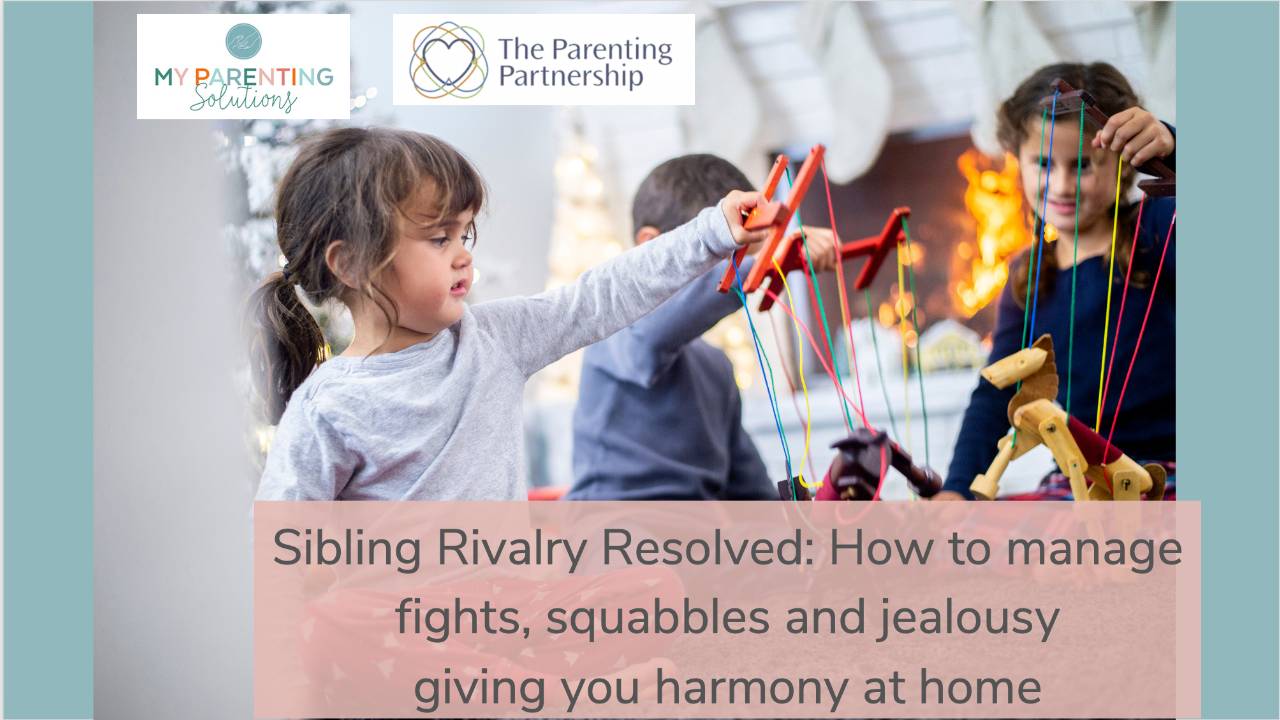
SIBLING RIVALRY RESOLVED WORKSHOP
You have two or more children and you're really fed up with:
Being the referee over your kids squabbles
Constantly pulling your toddler away from the baby
Intervening when your kids say hurtful things to each other
Watching and listening to endless fights over toys..
This workshop
Sibling Rivalry Resolved: How to Manage Fights, Squabbles, and Jealousy, Giving you Harmony at Home will transform your children's relationships with each other and you will never need to be the referee again!
幸运168飞艇官网开奖视频直播-飞艇大数据查询
Check out these Free Resources
Download my super helpful, free guides that are packed full of real-life tips and information.
Are you nagging or shouting at your kid to get them to do something?
Imagine being able to leave the park, take your child shopping or exit a playdate and avoid a meltdown and have your child do what you've asked. Grab this guide to show you how.
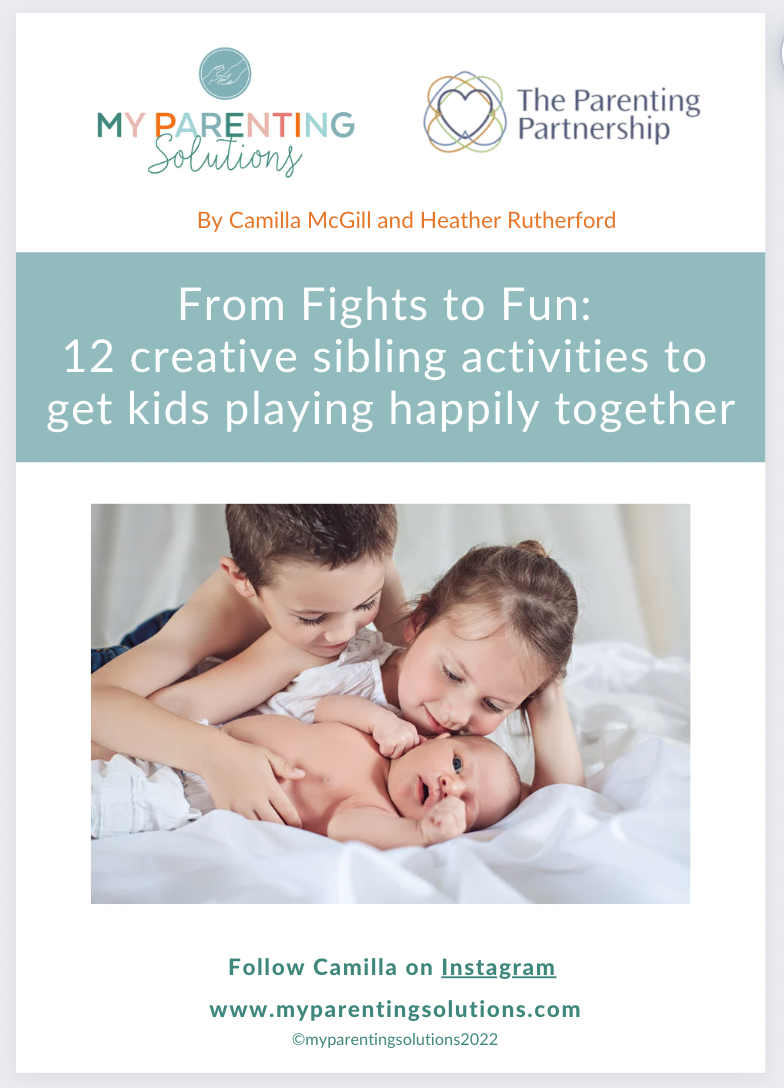
Do you wish your kids played nicely together instead of squabbling?
When our kids fight it's so upsetting, so I've created a fantastic guide.
I give you 12 easy, creative ideas to get your kids playing happily together.
Grab it now, you'll be so pleased you did
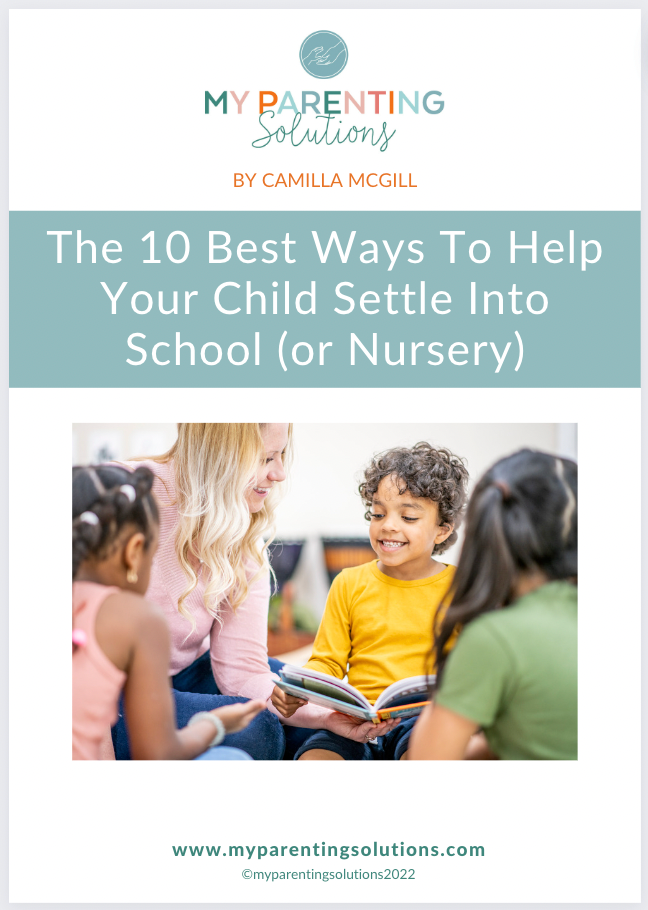
Your child's starting school & you want to do your best to help?
This guide shows you how to get your child into great morning routines and have a smooth drop-off without drama. Learn how to help them make friends and adapt to the confidently to the change.
BRAND NEW! Mini video course 'How to get your kids to listen with the G.R.E.A.T method'
CHECK IT OUT!Whether you are tearing your hair out over tantrums and misbehaviour, struggling with boundaries, or trying to figure out how you want to raise your child, let me guide you to become a calm, compassionate parent.
Meet Camilla
Your Experienced Parenting Coach
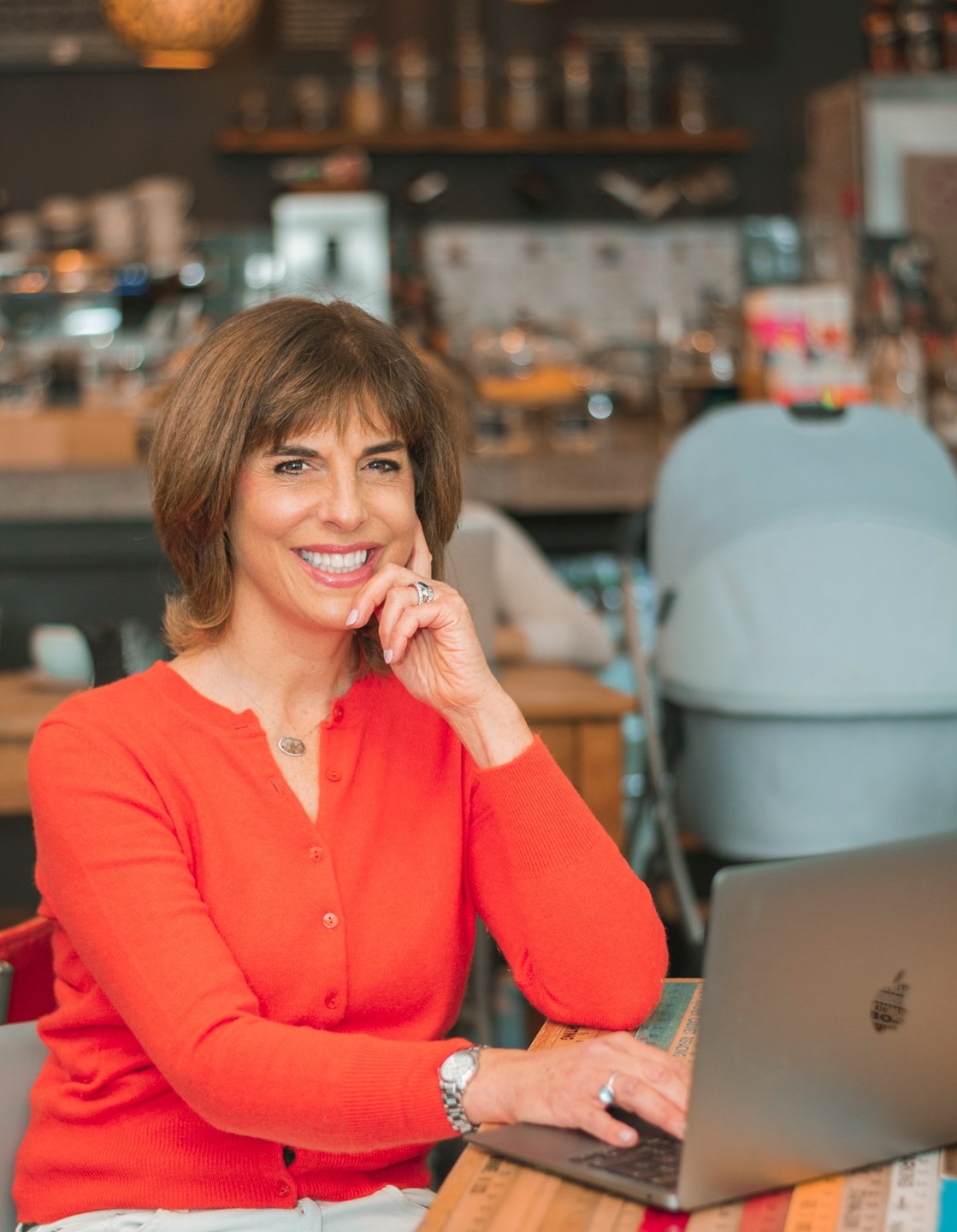
Hey, I’m Camilla, a parent coach, cat mummy to Molly, (officially the best cat in the world), parent to 4 grown up kids, and enthusiastic, but rather messy family chef.
I’ve been through the tantrums and trials and tribulations of raising children and I’ve successfully brought my kids out the other end. I know exactly how it feels to feel exasperated or shed tears when dealing with a difficult child or to be really confused about what parenting approach to take.
I've done the research, tested it all out and I've had incredible results both with my own four and with the thousands of parents that I have worked with so I’d love to help you navigate the stormy waters of parenthood.
My gentle parenting approach provides you with practical tools and strategies to raise your children with compassion and boundaries while also building a deep and meaningful connection.
The result is a happy home of emotionally healthy, cooperative kids who feel understood and listened to. Sounds good, right?
Check out my online courses or click below to set up a time for a FREE discovery call to work out how I can help your family.
Read what parents are saying
With over 20 years’ experience I’ve helped thousands of parents reap the benefits of my compassionate parenting approach.
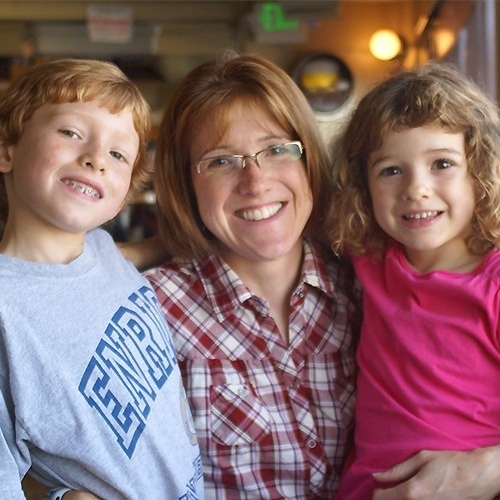
Parenting is truly the hardest job you can have. Camilla helps you to figure out your individual child, their strengths and their struggles. And she supports you as a parent with full positivity and never any judgement. What you learn, you will use forever, from toddler to teenager.
Lynda Enright

We came to Camilla feeling pretty desperate as we were having so many struggles with our daughter. After just one session we began to respond so differently to her and the results were amazing - many less battles and feeling so much more connected. We’ve recommended Camilla to many of our friends too.
Maddy and Giles Milburn
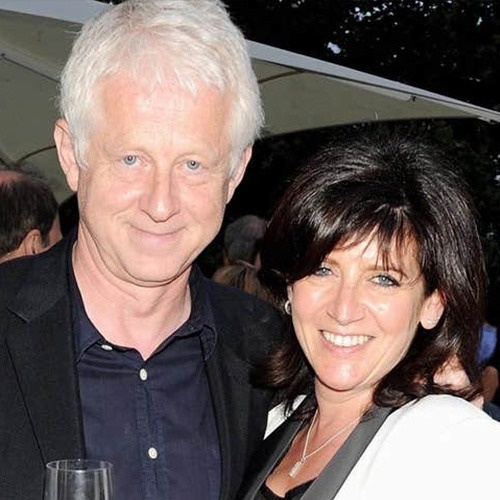
It was extraordinary how much of a difference Camilla made to our family. She was empathetic, understood our concerns, and was spot-on with her advice. Things began to change within our home immediately.
Emma Freud and Richard Curtis
Since taking Camilla’s course, My son has become so much happier in the mornings. He used to be grumpy, whiny and resistant to do anything. Now he wakes up excited to eat breakfast and go to school. Life is so much better.
Andrea Morris
I took Camilla’s course because I wanted to work on connection and communication with my children (aged 3 & 6). It was so helpful to show me a more compassionate approach but also gave me confidence to be clearer and firmer on the boundaries. I’m so glad I made the investment.
Amanda Lee, mother of 2
Wow! I found Camilla's course totally eye-opening. It has set me on a path to being a more aware and conscious parent. I'll use the skills to raise my son as a well-rounded individual who will be confident and communicate with me throughout his life. I feel so positive about parenting now.
Claire Furness
See what more parents are saying
We came to Camilla at a low ebb. We were really struggling with our two boys and we just didn’t know how to handle them. Getting help from Camilla was the best thing we could have done, it totally changed our approach to parenting.
Jill and Andrew
When I said, "I appreciate you not shouting when I turned the TV off." My son paused then jumped on me and said "I love you mummy, you're the bestest in the world." Cue mental high five to Camilla @myparentingsolutions who taught me SO much.
Lucinda B
We’d reached desperation point with potty training and didn’t know who to turn to. Thank goodness we found Camilla and got her support. It fitted in with our values for gentle parenting and we solved the problem of our son’s terrible fear of pooing in the toilet, that had been going on for well over 2 years.
Chloe and Elliot Perret